 CyberCode
Cybersecurity
Plain-English security articles — passwords, hashing, breaches and staying safe online.
2026-07-14
What Does My IP Address Reveal About Me? (Less — and More — Than You Think)
Your IP address reveals your rough location (city level), your internet provider and your connection type — but not your name, exact address or browsing history. Here's exactly what websites can see.
2026-07-11
How to Create a Strong Password You Can Actually Remember
The two proven ways to make a strong password: a truly random generated password stored in a manager, or a 4-5 word passphrase for the few passwords you must memorise. Here's exactly how to do both.
2026-07-04
How to Check if Your Password Has Been Leaked (Without Risking It)
Yes, you can safely check a password against 900+ million leaked ones — thanks to k-anonymity, the password never leaves your device. Here's how it works and what to do if you're hit.
2026-07-01
Why Browser-Based Tools Are Safer Than Upload-Based Ones
When an online tool processes your data locally in the browser instead of uploading it to a server, your sensitive data never leaves your device. Here's why that matters.
2026-07-01
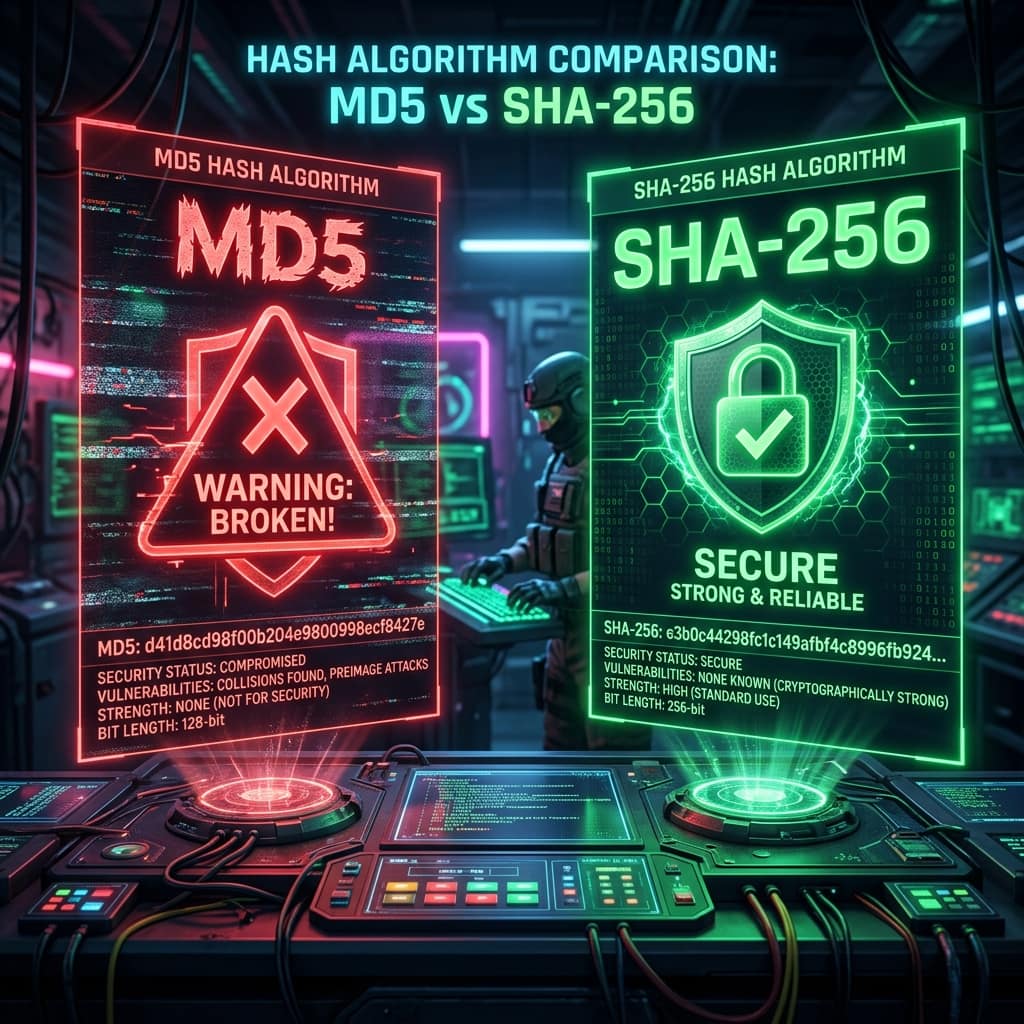
MD5 vs SHA-256: Which Hash Function Should You Use in 2026?
Use SHA-256 for anything security-related; MD5 only for non-security checksums. Here's why MD5 broke, what collisions mean, and a decision table you can trust.
2026-06-27
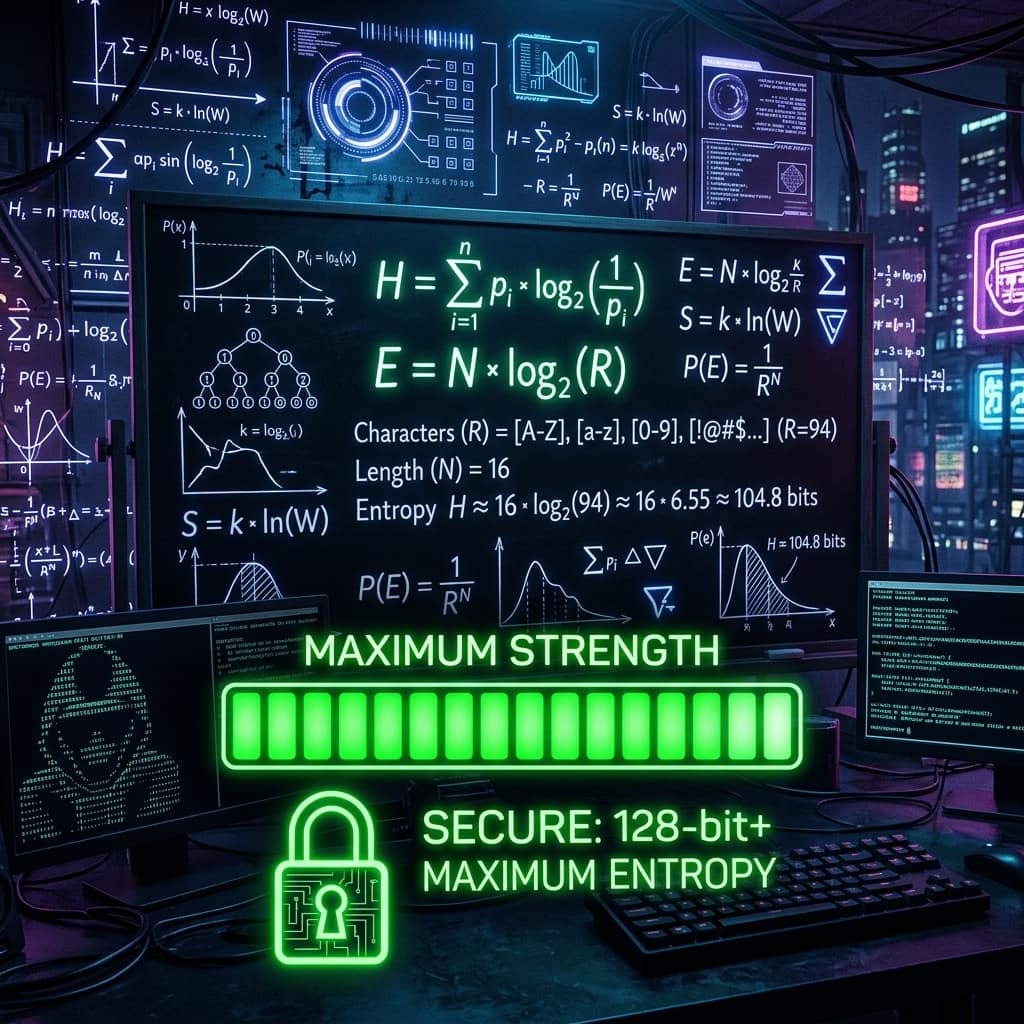
How Strong Is Your Password? The Math Behind Password Strength
Password strength is measured in entropy bits — and length beats complexity every time. See the real cracking-time math, why Tr0ub4dor&3 fails, and what 16 random characters buys you.